What a Brand Technical Marketing Expert Actually Does (and Why You Need One)
Most growth-stage brands don't describe their marketing problem as one person missing. But when you trace where time disappears, where information gets lost, and where decisions stay undocumented, the problem resolves to the same issue: no single human owns the entire marketing system end-to-end.
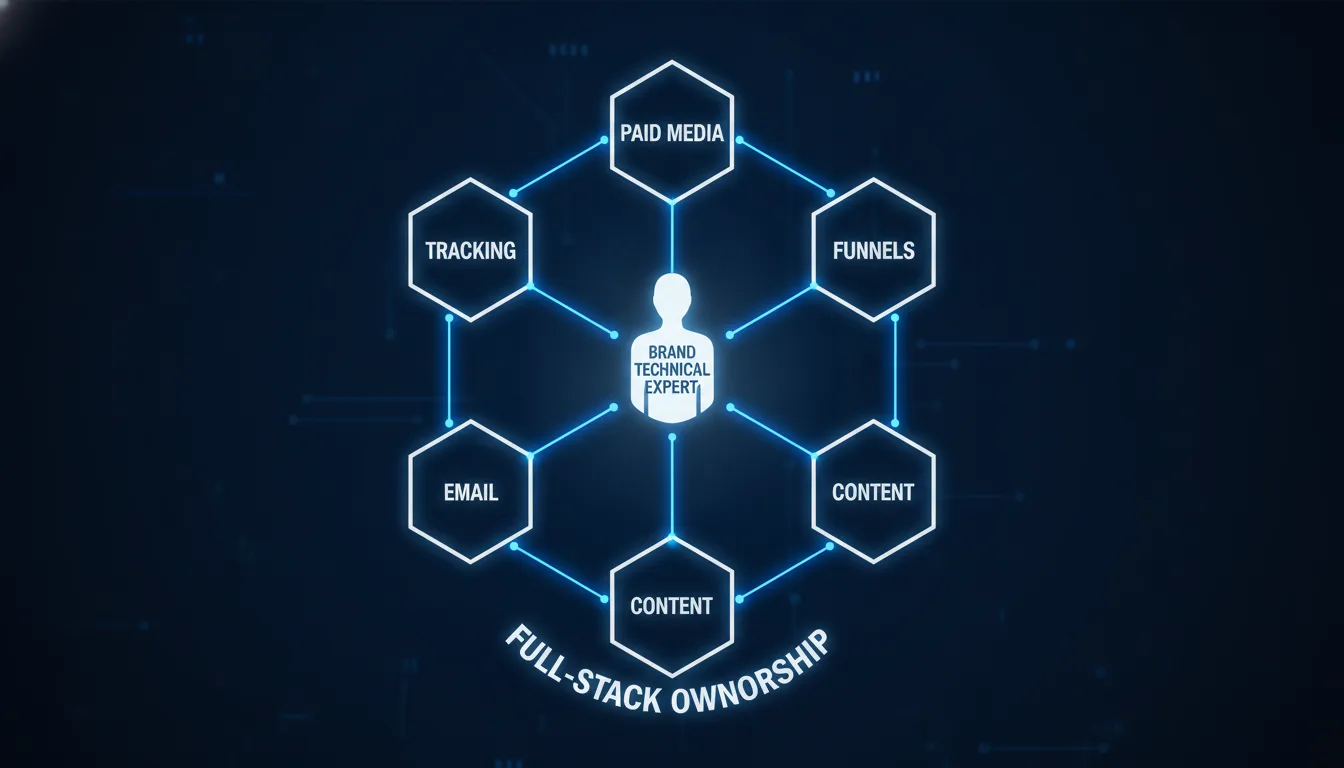
A Brand Technical Marketing Expert is that human. They own paid media, conversion tracking, landing pages, email automation, content systems, and analytics reporting. They don't hand off work halfway through a process. They don't rotate off your account every 18 months. And they don't disappear after quarterly strategy reviews.
This is not an account manager. This is a dedicated operator who compounds knowledge about your brand, your customers, and your systems every single week.
Why This Role Exists in 2026
The marketing landscape fractured. Not metaphorically — literally.
The MarTech landscape now includes more than 15,000 tools. Organizations average 65–75 MarTech solutions across their functions. Brands operate with 12–20 marketing technology tools as a baseline. Meanwhile, 85% of marketing teams spend more than half their time fixing issues rather than creating new programs. And 78% of teams report spending 21% or more of their time on manual work like data cleanup, list building, campaign troubleshooting, and system reconciliation.

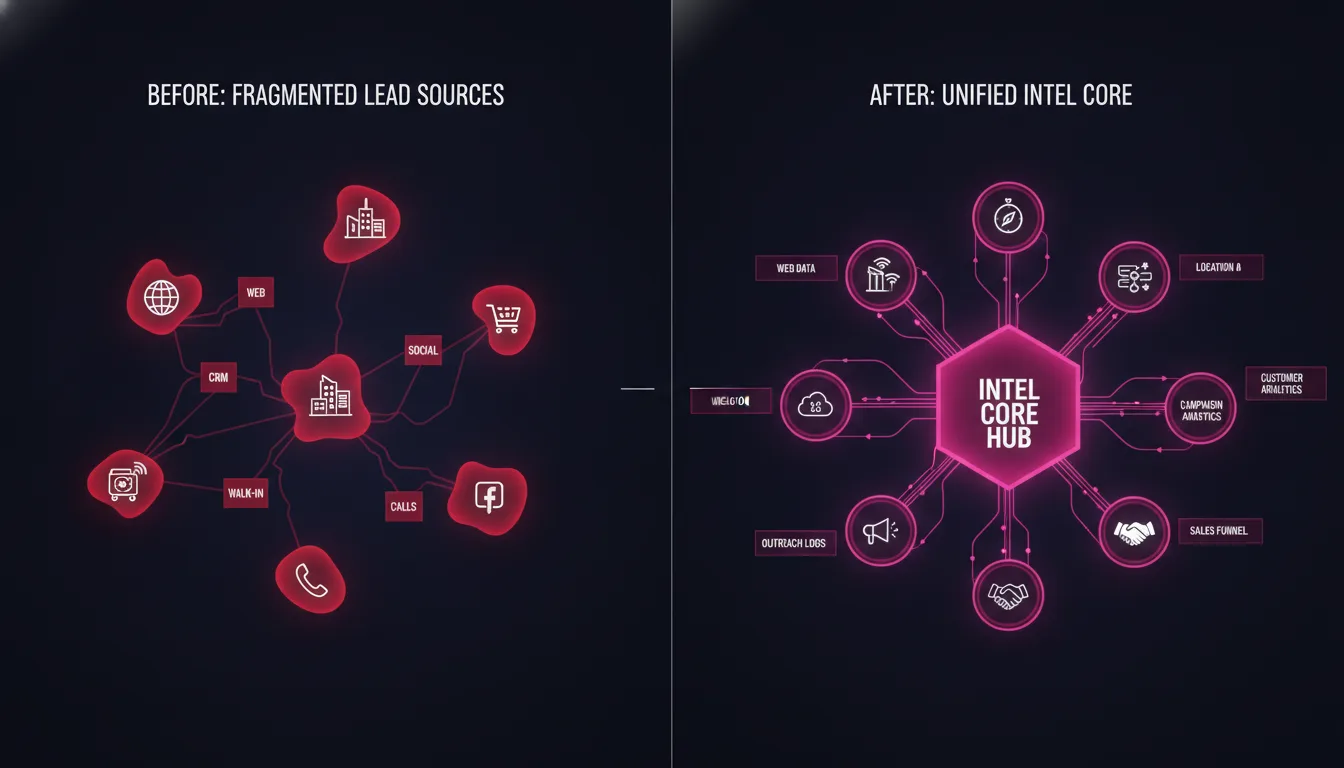
This is the fragmentation problem. Multiple vendors. Multiple people. No single owner. No compounding knowledge.
The Brand Technical Marketing Expert solves this by becoming the orchestrator, not the individual contributor. They configure, manage, and optimize all systems as one unit. One person. One rhythm. One decision-maker.
What Does a Brand Technical Expert Actually Own?
Six core responsibility areas. All of them:

Paid Media Management
They configure Google Ads and Meta campaigns to your audience, landing page structure, and conversion actions. They don't just launch ads — they connect them to your tracking infrastructure, ensuring every dollar spent produces clean, usable data. They know what a conversion really means for your business and structure your campaigns to measure it accurately.
Conversion Tracking and Attribution
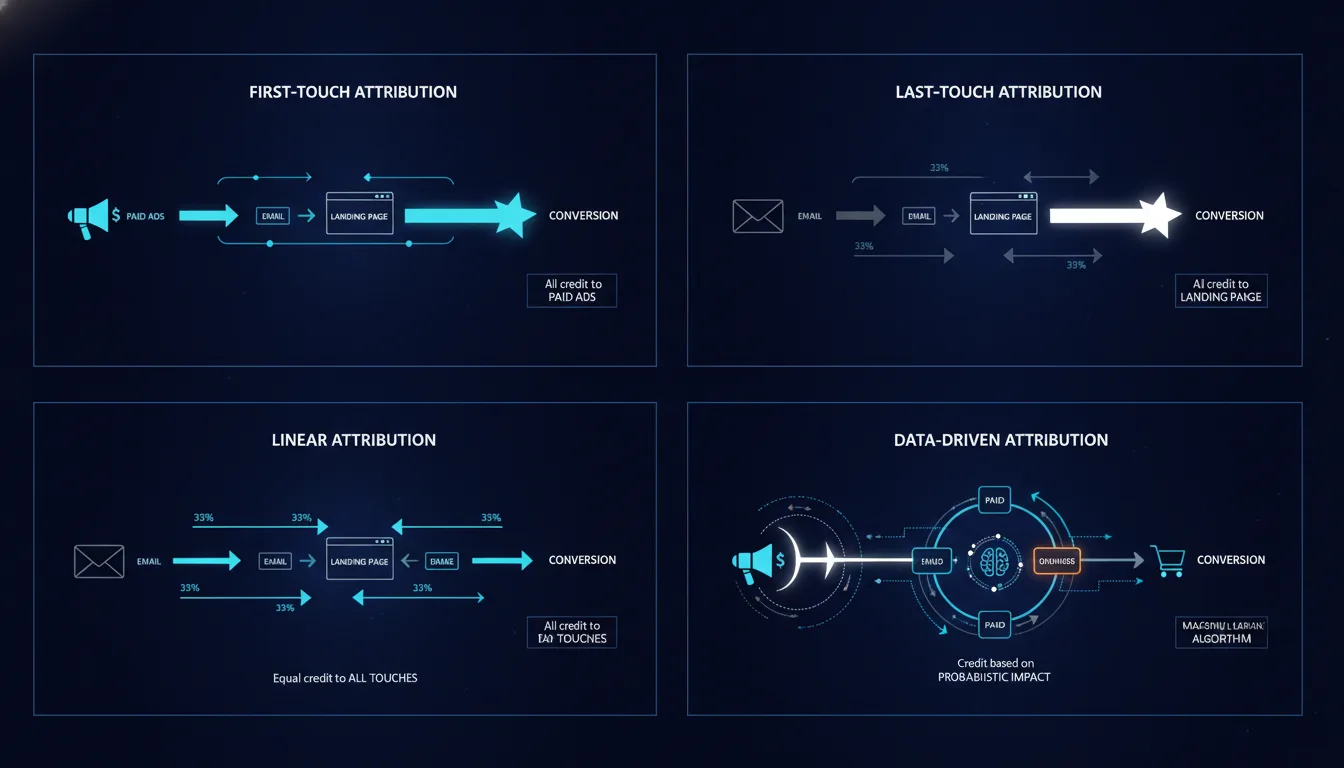
They own your tracking infrastructure. Every conversion pixel, API connection, and data flow that tells you what actually happened on your website. They implement server-side tracking, cross-domain tracking, and API integrations to Google Ads and Meta without losing data to iOS privacy changes or third-party cookie deprecation. They document the tracking rules so your team understands what's measured and why.
Landing Pages and Funnels
They design or oversee the build of conversion-focused landing pages and funnel sequences. They don't design for aesthetics — they design for clarity, conversion flow, and measurement. They ensure every funnel step is trackable, every form field serves a purpose, and every element points toward the next action.
Email Marketing and Automation
They configure email sequences, segment your list, and create automations that drive repeat revenue. They connect your email tool to your CRM and tracking system so nurture campaigns only reach people at the right lifecycle stage. They know the difference between a broadcast and a strategic sequence, and they build sequences that compound value over time.
Content Systems and Production
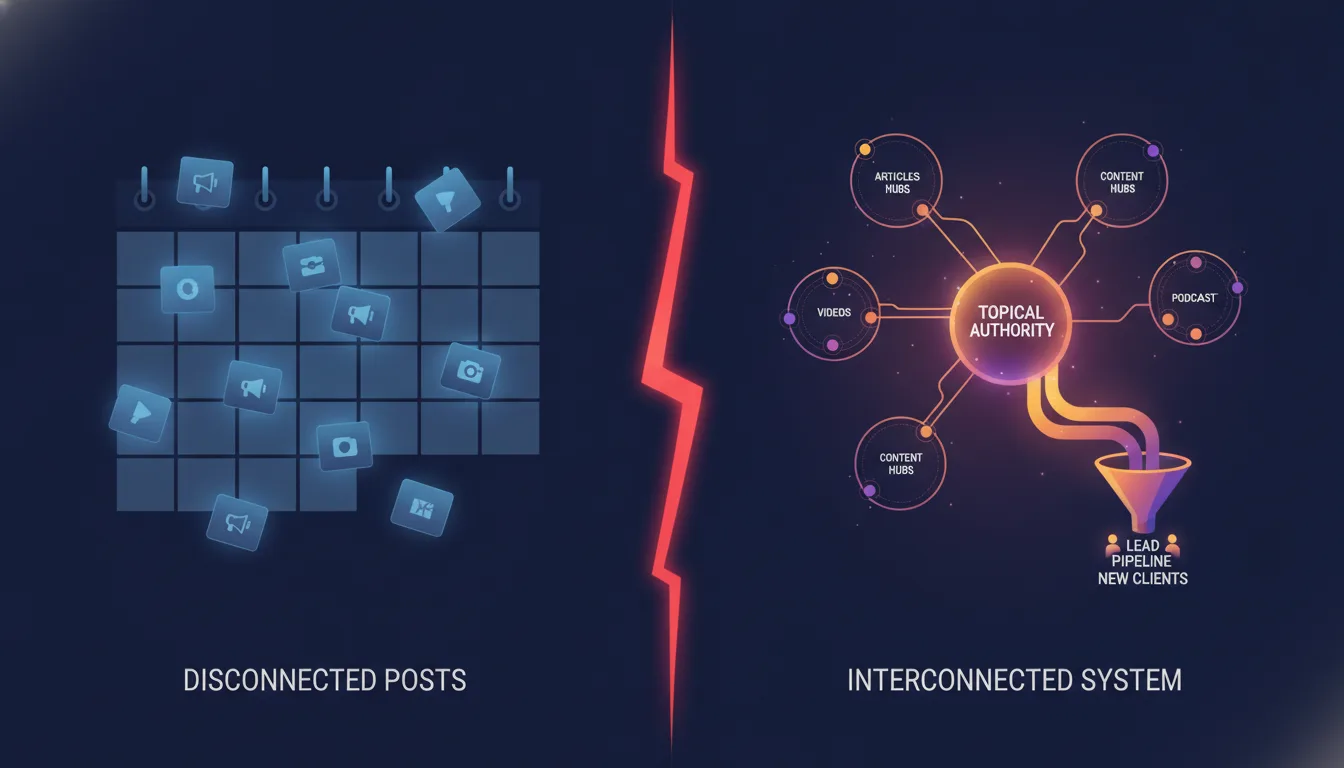
They build the operational framework around content — what gets written, when, for whom, and how it feeds into paid campaigns, funnels, and long-term SEO. They don't just produce content randomly. They connect content to your customer journey and your tracked conversion actions so you know which pieces actually drive business impact.
Analytics, Reporting, and Intelligence
They build dashboards that show what matters. Not vanity metrics — the metrics that show whether your brand is growing profitably. They produce weekly reports that document decisions, results, and next steps. They interpret data and recommend actions. They make your marketing transparent to every stakeholder.
How Does a Brand Technical Expert Differ from an Account Manager?

An account manager manages the relationship between your brand and the vendor. They check in, answer questions, and escalate issues to other teams. They are the customer service layer.
A Brand Technical Marketing Expert owns the execution layer. They don't wait for you to report a problem — they identify issues in your data before they impact revenue. They don't ask permission to optimize — they test, measure, document, and implement. They don't disappear when the contract renews — they compound knowledge every single week.
Account manager turnover in marketing agencies averages 30% annually. When your account manager leaves, so does all institutional knowledge about your brand. Your replacement account manager starts from zero.
A Brand Technical Marketing Expert is hired directly for your brand. They stay because you retain them. Their knowledge about your systems, your customers, and your conversion drivers compounds over time. Year two is exponentially more effective than year one.
Dimension | Account Manager | Brand Technical Marketing Expert |
|---|---|---|
Primary Role | Relationship management and customer service | System ownership and execution |
Accountability | To the agency or vendor | To your brand's growth metrics |
Knowledge Retention | Resets with turnover (30% annual average) | Compounds over time. Stays with your brand. |
System Ownership | Coordinates between multiple vendors | Owns the entire system end-to-end |
Decision Making | Escalates or requests approval | Makes decisions based on data and documented rules |
Typical Tenure | 18 months (industry average) | 3+ years (dedicated partnership) |
How Does Managed Marketing Infrastructure Compare to a Fractional CMO or In-House Hire?

Three options exist for growth-stage brands: hire a fractional CMO, hire an in-house marketing leader, or partner with a managed marketing infrastructure provider.
Each serves a different need.
Fractional CMO
A fractional CMO provides strategy and leadership for 5–20 hours per week, usually at $5,000–$15,000 per month. They're valuable for building a strategic roadmap and making top-level decisions. But they don't execute day-to-day. They don't manage paid media, email automation, or funnel configuration. They guide your internal team or external vendors. If you don't have people in place to execute, you still have a problem.
In-House Marketing Manager or Hire
Hiring a full-time in-house marketing leader ($70,000–$95,000 annually as a base, plus 25–40% in overhead costs) gives you dedicated bandwidth. But one person cannot own paid media, tracking, email, content systems, reporting, and strategy simultaneously. In-house hires typically specialize in one or two areas. You end up hiring a team (3–5 people minimum) to cover the scope, which multiplies your fixed costs and makes it harder to scale.
Managed Marketing Infrastructure
A Brand Technical Marketing Expert within a managed marketing infrastructure model owns the full system end-to-end. They don't do strategy work in isolation — they execute alongside strategy. They use Intel Core, a proprietary intelligence infrastructure, to compound knowledge and scale decisions. The cost typically ranges from $2,500–$5,500+ per month depending on complexity, and you avoid hiring overhead, benefits costs, and the organizational disruption of turnover.
Model | Monthly Cost | Coverage | Knowledge Retention | Best For |
|---|---|---|---|---|
Fractional CMO | $5,000–$15,000 | Strategy only. No execution. | Stays with the consultant (not your brand) | Brands that need strategic direction but have in-house execution |
In-House Hire | $6,000–$8,000+ (salary + 30% overhead) | One person. Limited scope. Requires team. | Stays with your brand but leaves if person leaves | Brands with capital and stability to build a team |
Managed Infrastructure | $2,500–$5,500+ | Full end-to-end system ownership | Compounds in your brand's systems over time | Growth-stage brands that need execution + intelligence + accountability |
The core difference: A fractional CMO gives you strategy without execution. An in-house hire gives you one person stretched across too many domains. A Brand Technical Marketing Expert gives you a dedicated operator who owns execution, compounds knowledge, and scales systems.
Why Does a Brand Technical Expert Need Intel Core?
A single human cannot execute across six complex domains and improve forever without a system that preserves and amplifies their decisions.
Intel Core is the proprietary intelligence infrastructure that tracks every decision, every test result, every customer insight, and every system configuration. It allows a Brand Technical Marketing Expert to scale their thinking without adding hours. It preserves knowledge that would normally walk out the door if the person leaves.
Over time, your marketing system gets smarter. Not because your operator is superhuman. Because their decisions, insights, and rules are documented and reused. Every month compounds the intelligence available for the next month.
This is the infrastructure-powered growth that separates managed marketing from traditional agency models.

What Happens When You Don't Have a Brand Technical Expert?
Most growth-stage brands operate without one. Here's what that looks like:
Your paid media account manager changes every 18 months. You restart the relationship. Knowledge walks out the door.
Your email tool isn't connected to your CRM or tracking system. You send campaigns to the wrong segment or can't measure their impact.
Your landing pages work, but you have no idea which elements convert or why. You can't replicate success because nobody documented the rules.
Your analytics dashboard shows dozens of metrics. You have no idea which ones actually matter or what to do about them.
Your content is great, but you have no system connecting it to paid media or measuring which pieces drive sales. You do content for content's sake.
Decision-making is slow. Every decision requires approval from someone who isn't embedded in the details. Execution stalls.
You spend 85% of your time fixing yesterday's problems instead of building tomorrow's growth.
The fragmentation problem. One operator fixes it.
85% of marketing teams spend more than half their time fixing issues rather than creating new programs. A Brand Technical Marketing Expert reverses this ratio by managing systems as a unified whole instead of coordinating between fragmented vendors.
FAQ: Brand Technical Marketing Experts
Is a Brand Technical Expert the same as a marketing manager?
No. A marketing manager typically oversees a team or coordinates between vendors. A Brand Technical Marketing Expert owns the execution layer directly. They don't manage people — they manage systems. They have hands-on responsibility for paid media, tracking, funnels, email, content systems, and reporting.
How is this different from hiring a fractional CMO?
A fractional CMO provides strategy and high-level guidance, typically for 5–20 hours per week. A Brand Technical Marketing Expert executes the strategy full-time. A fractional CMO tells you what to do. A Brand Technical Expert does it, documents it, measures it, and improves it.
Can one person really own all six areas of marketing?
Yes, if their systems are designed for scale. They don't do everything manually. They configure automation, build templates, document rules, and use Intel Core to preserve and reuse decisions. Over time, this approach actually becomes more efficient than hiring multiple specialists who don't coordinate.
What happens if my Brand Technical Expert leaves?
Your systems and all documented decisions stay in place. Intel Core preserves every decision rule, test result, and customer insight. Your brand's knowledge is stored in your infrastructure, not in one person's head. Your replacement operator can continue building on that foundation immediately rather than starting from zero.
How much does a Brand Technical Marketing Expert cost compared to hiring in-house?
A full-time in-house marketing hire costs $70,000–$95,000 annually in salary plus 25–40% in overhead (taxes, benefits, equipment, management time). A Brand Technical Marketing Expert within a managed infrastructure model typically costs $2,500–$5,500+ monthly ($30,000–$66,000+ annually) and avoids hiring overhead, onboarding time, and turnover risk.
What's the difference between a Brand Technical Expert and an account manager?
An account manager is hired by the vendor to manage the relationship with you. A Brand Technical Expert is hired to own your brand's marketing system. Account managers rotate (30% annual turnover industry average). Brand Technical Experts stay because they're dedicated to your brand, not to a vendor.
Can a Brand Technical Expert work with my existing tools?
Yes. They work within your current martech stack to optimize what you have. They may recommend consolidating redundant tools or replacing ones that don't integrate well, but they don't require you to rebuild your entire stack. They configure, integrate, and optimize what exists.
How soon do you see results with a Brand Technical Expert?
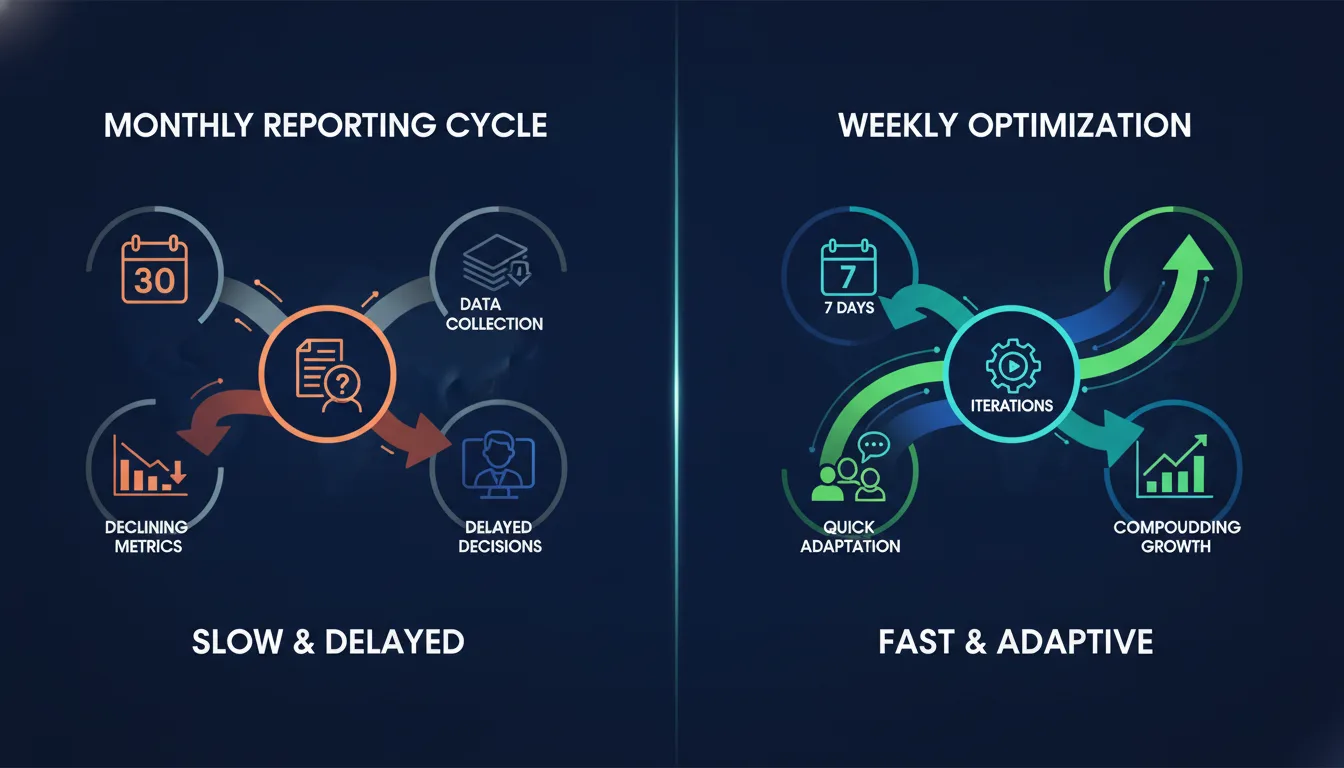
Week one: You get documentation and system audits showing what's working and what's not. Week two to four: Quick wins from optimization and integration fixes. Month two: Systems operating as a unified whole rather than fragmented parts. Month three and beyond: Compounding intelligence as your expert learns your customers, your market, and your systems more deeply. Year two is exponentially more effective than year one because knowledge compounds.
How to Hire a Brand Technical Marketing Expert
If you're a growth-stage brand ($500K+ revenue) feeling the friction of fragmented marketing, the first step is clarity: What do you own currently, and what's missing?
You might have great paid media but no conversion tracking. You might have solid email but no funnel. You might have content but no system connecting it to your paid engine. Most brands have pieces but no operator who owns the whole system.
The Brand Technical Marketing Expert fills that gap. They're not a one-person agency. They're a dedicated system operator who compounds knowledge, documents decisions, and scales growth without the overhead of hiring a full team.
If this describes your situation, the next step is to book a conversation about how managed marketing infrastructure works and whether it's right for your brand.
Growth-stage brands don't have a marketing problem. They have a fragmentation problem. One dedicated operator solving for the whole system changes everything.

Jeremiah Shaw
CEO & Technical Marketing Specialist · Metrics Masters | Brandlio
International
Technical marketing specialist pushing boundaries in Google Ads, automation, and AI-driven growth systems. Paragliding and adventure enthusiast.